
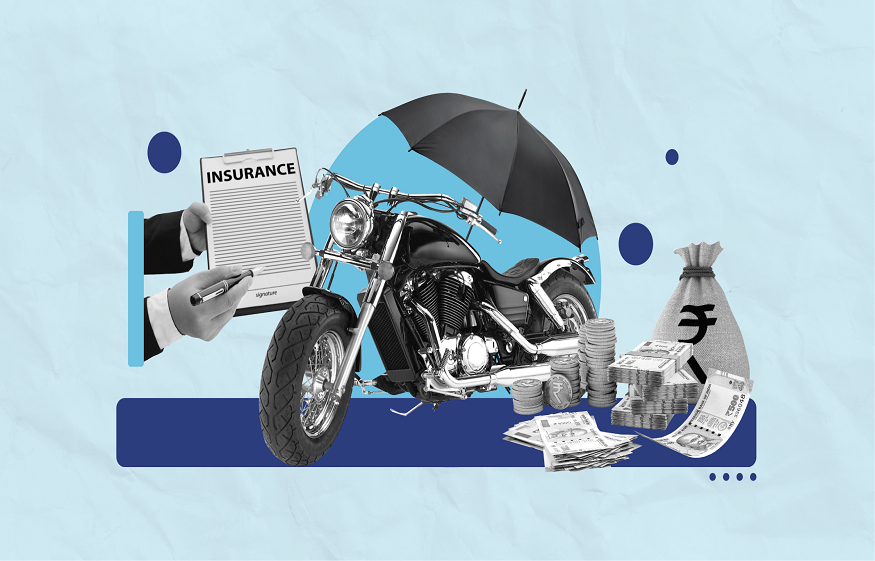
The price you pay at the showroom is only one part of owning a bike. Over time, fuel bills, maintenance, replacement parts, and unexpected repairs add to the overall cost. The way you ride, care for your motorcycle, and choose your two-wheeler insurance can influence your long-term riding expenses.
Are Your Everyday Riding Habits Affecting Your Wallet?
Your riding habits can have a bigger impact on running costs. Frequent hard acceleration, sudden braking, and unnecessary idling increase fuel consumption and place extra strain on your bike. Over time, these habits also wear out components like brake pads and tyres faster.
A few good habits can make a difference, though. Keeping the tyres properly inflated, riding at a steady pace, and avoiding revving the engine unnecessarily can help improve fuel efficiency and slow down wear on important components.
How Can Regular Servicing Keep Costs in Check?
It is easy to postpone a service when your bike seems to be running without any obvious problems. However, routine maintenance is what keeps small issues from becoming expensive ones. Fresh engine oil, clean filters, and timely replacement of worn consumables help the engine work efficiently.
Ignoring scheduled servicing can gradually affect performance and increase wear and tear. Following the maintenance schedule advised by the manufacturer helps keep your bike in good condition. Also, if you decide to sell your two-wheeler later, a well-maintained service history may also make it more appealing to potential buyers.
Can the Roads You Ride Every Day Increase Expenses?
Road conditions have a direct effect on how quickly your bike wears out. Daily rides through potholes, uneven roads, or heavy stop-and-go traffic can shorten the life of tyres, brake pads, suspension components, and even affect wheel alignment.
For example, a rider who spends most days commuting through congested city traffic is likely to replace brake pads more often than someone who mainly rides on open highways.
Where Does Insurance Fit Into Long-Term Riding Costs?
Unexpected repair expenses can arise during the life of a motorcycle, making it worthwhile to review your two-wheeler insurance from time to time alongside your maintenance schedule.
Third-party insurance is mandatory in India. Depending on their requirements, many riders also choose a comprehensive policy and, where available, optional add-ons such as zero depreciation bike insurance. Subject to the policy terms, conditions, and exclusions, this add-on may reduce depreciation deductions on certain eligible replaced parts if a covered repair is undertaken. The cover should not be viewed as a substitute for regular maintenance or routine replacement of parts that wear out with normal use.
As your motorcycle gets older or your riding pattern changes, you may wish to review your policy and any optional add-ons periodically. For details on coverage, terms, conditions, inclusions, and exclusions, always refer to the policy wording.
What Happens When Small Problems Are Left Unchecked?
Not every problem announces itself with a breakdown. Sometimes it starts with a loose chain, an unusual vibration, or an engine that sounds slightly different from usual. It is easy to put these things off, especially when the bike is still running.
It is often the smaller issues that become expensive when left unattended. Something as simple as a loose chain can wear the sprockets more quickly, while low engine oil can put unnecessary stress on the engine. Paying attention to these early warning signs makes routine maintenance much easier to manage.
The table below highlights a few everyday practices that can make a difference over time:
| Expense | Easy Ways to Keep Costs Under Control |
| Fuel | Ride smoothly and maintain the correct tyre pressure |
| Servicing | Follow the manufacturer’s recommended maintenance schedule |
| Tyres and brakes | Avoid unnecessary harsh braking and rough roads where possible |
| Insurance | Review your two-wheeler insurance and optional add-ons periodically. |
Conclusion
Owning a bike is not only about the amount you pay on the day you buy it. It is the smaller decisions you make throughout the year that often have the greatest influence on long-term expenses. Riding responsibly, servicing your bike on time, and reviewing your insurance cover can often help you manage ownership costs more effectively while keeping your motorcycle in good working condition.